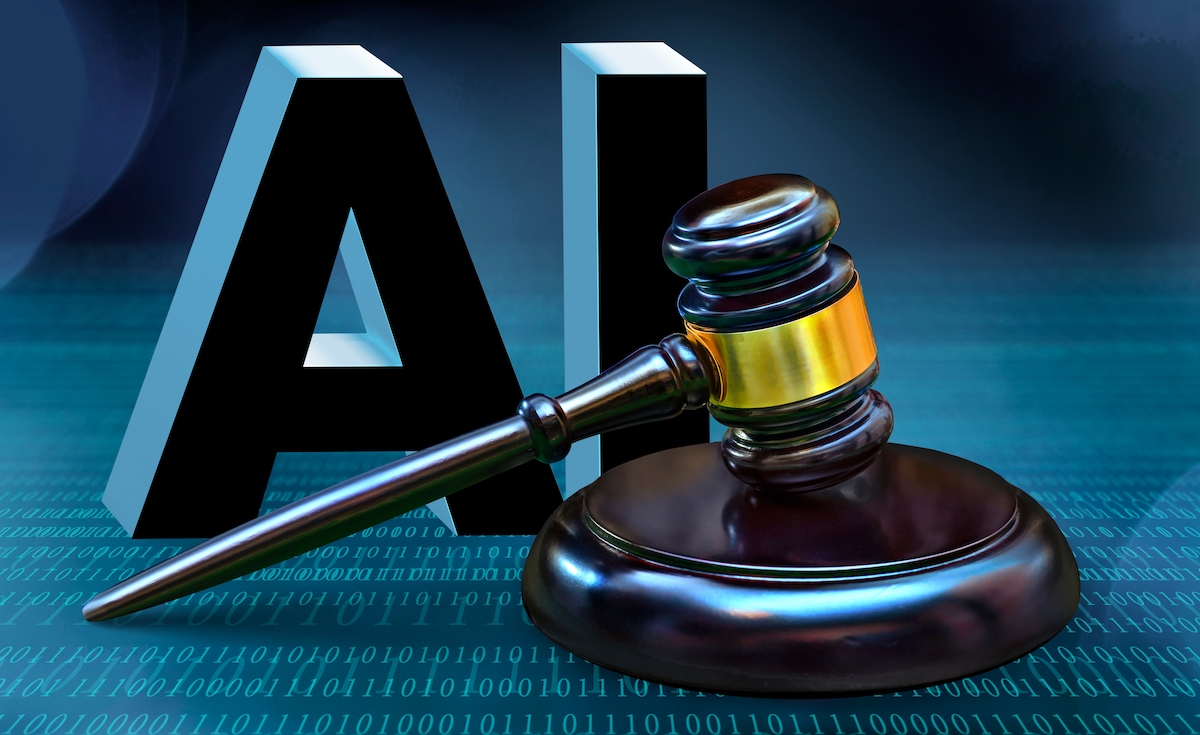
AI tools like ChatGPT, Jasper, Copy.ai, and Midjourney are changing how content is created. From blogs and marketing copy to art and code, artificial intelligence is playing a major role in creative industries. But with this convenience comes a critical question: can you be sued for using AI-generated content?
Let’s explore the legal implications of using AI-generated content in India and globally in 2025, and how to use such content safely.
What the Law Says: The Short Answer
You can be sued for using AI-generated content if that content:
- Violates existing copyright or trademarks
- Defames or harms someone’s reputation
- Breaches data privacy laws
- Is passed off as human-authored when it’s fully AI-generated in a protected domain
Using AI is not illegal, but how you use it can lead to legal consequences. The responsibility still lies with you, the human who uses and publishes the content.
Key Legal Risks When Using AI Content
1. Copyright Infringement
AI models are trained on vast amounts of public and private data. This may include copyrighted material such as books, articles, code, or designs. If the AI produces something that resembles or replicates protected content, and you use it without verification, you can be accused of copyright violation.
How to protect yourself:
- Edit AI content significantly before publishing
- Run a plagiarism check (tools like Grammarly, Quillbot, or Copyscape)
- Avoid using AI for logo or design generation without cross-checking trademarks
2. Defamation and Misinformation
If the AI generates false, offensive, or harmful statements about a person, company, or brand, and you publish it, you may be held liable for defamation or spreading misinformation.
Even if the AI made the content, you are responsible for reviewing and publishing it.
How to protect yourself:
- Avoid publishing controversial or unverified claims from AI
- Do not use AI to write opinion pieces on real individuals
- Fact-check all content before it goes live
3. Trademark Violation
Using AI to generate business names, slogans, or product descriptions may unknowingly produce content similar to registered trademarks. If your brand or product name infringes on another company’s trademark, you can face legal action.
How to protect yourself:
- Search existing trademarks before finalizing names (visit ipindia.gov.in or uspto.gov)
- Avoid names or content that resemble well-known brands
- Don’t use AI-generated logos without legal checks
4. No Clear Ownership or Copyright
As of 2025, courts in India, the US, and Europe generally agree that AI cannot hold copyright. If content is fully generated by AI without human creativity or input, you may not be able to claim ownership either.
This becomes a problem if someone copies your AI-generated content and you try to sue them.
Solution:
Always modify, rewrite, or add significant human input to AI-generated work before publishing or monetizing it.
5. Illegal or Harmful Use of AI
Creating or spreading deepfakes, impersonations, fake news, or any misleading content using AI can lead to criminal penalties under cybercrime laws. Many countries, including India, are strengthening laws to prevent AI misuse.
You may face action under:
- IT Act, 2000 (India)
- Data Protection Laws
- IPC Sections related to fraud, impersonation, or defamation
Best Practices to Use AI Content Legally
- Always treat AI as a support tool, not a final writer
- Include disclaimers if AI was used for research or creative aid
- Never use AI to write legal, medical, or financial advice without expert review
- Avoid publishing sensitive or private data generated through AI
- Check copyright and trademarks before using AI-created visuals, names, or audio
Conclusion
AI tools are powerful and time-saving, but with that power comes responsibility. Yes, you can be sued if the AI-generated content you use breaks the law — intentionally or unintentionally. The good news is, by taking a few smart precautions, you can enjoy the benefits of AI without facing legal trouble.
Use AI wisely, edit your content, and always verify before publishing. In 2025 and beyond, compliance and creativity must go hand in hand.