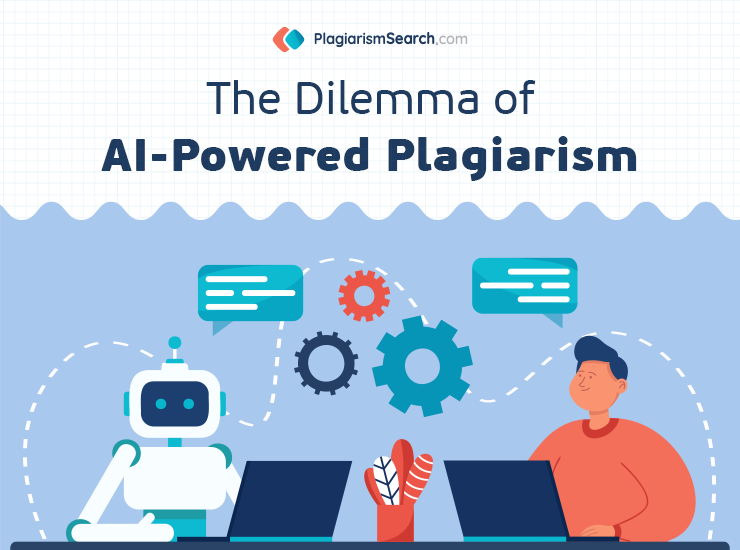
With the rise of digital learning and AI content tools like ChatGPT, many students are turning to technology for help with assignments, projects, and even exams. But at the same time, universities are also adopting AI tools to detect plagiarism, cheating, and academic dishonesty more accurately than ever before.
In this article, we’ll explore how universities in 2025 are using AI-powered systems to maintain academic integrity, detect copied content, monitor student behavior, and ensure fair assessment practices.
Why AI Detection Matters in Modern Education
Plagiarism and cheating have always been concerns for educational institutions. But now, with AI-generated essays and online exam tools available freely, it has become harder to manually detect copied or AI-written content. Traditional plagiarism checkers often miss rewritten or paraphrased text. That’s where AI steps in.
AI doesn’t just match word-for-word — it understands context, sentence structure, and even writing style. This makes it far more effective than older tools.
Key AI Technologies Used in Universities
1. AI-Powered Plagiarism Detection
Universities are now using tools like:
- Turnitin (with AI-based Authorship Detection)
- Copyleaks AI Content Detector
- GPTZero and ZeroGPT
These platforms go beyond surface-level matching. They can:
- Detect rephrased or paraphrased AI-generated content
- Compare a student’s writing style with past submissions
- Identify unnatural patterns in sentence formation
Turnitin, for example, uses machine learning to flag when a student’s submission is likely written by AI, based on sentence complexity and consistency.
2. AI-Based Proctoring in Online Exams
For remote exams, many institutions now use AI proctoring platforms like:
- ProctorU
- Mercer Mettl
- Respondus
- Examity
These systems use:
- Facial recognition to verify student identity
- Eye-tracking and behavior analysis to detect cheating attempts
- Audio-video monitoring to flag background noises or movement
The AI can automatically alert a human reviewer if suspicious activity occurs — like switching tabs frequently, looking away from the screen, or unusual typing behavior.
3. Writing Style Analysis (Stylometry)
AI tools are also trained to analyze a student’s unique writing style, vocabulary use, sentence structure, and tone. This is helpful in:
- Spotting ghostwritten or outsourced assignments
- Comparing writing style consistency across multiple submissions
- Detecting if AI-generated text has been inserted into a human-written document
Stylometric analysis tools can even determine probability of authorship, giving teachers more confidence to challenge suspicious submissions.
4. Natural Language Processing (NLP) for Essay Review
Universities are using NLP-based software to:
- Automatically evaluate grammar, flow, and originality
- Detect if certain phrases or ideas are lifted from common sources
- Identify template-based content created using AI tools
This helps flag essays that “look perfect” but lack critical thinking or original thought.
Ethical Questions Around AI Detection
While AI tools are effective, some students raise concerns about:
- False positives (being wrongly flagged)
- Privacy during AI proctoring
- Stress caused by strict surveillance tools
To address these, many universities now:
- Allow students to appeal AI flags
- Use AI as a supporting tool, not the final judge
- Clearly communicate what is and isn’t allowed in terms of AI use
How Students Can Stay Safe and Ethical
To avoid trouble:
- Don’t rely entirely on AI for assignments
- Always cite sources properly
- Understand university policies on AI usage
- Use AI as a learning assistant, not a shortcut
Conclusion
AI is changing how education works — not just in how students learn, but also in how institutions maintain academic integrity. In 2025, universities are combining AI-powered plagiarism detectors, writing analysis tools, and smart proctoring systems to stay ahead of cheating and uphold fairness.
While AI can’t replace human judgment entirely, it’s a powerful ally in ensuring that degrees and grades truly reflect a student’s own effort and skills.